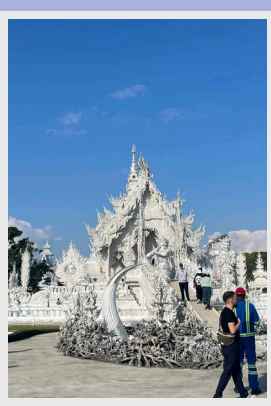
Wat Rong Khun / White Temple
Overview
Wat Rong Khun is a major contemporary Buddhist art and architectural landmark in Chiang Rai, known for its distinctive white structures, symbolic artwork, and strong visual identity. Opening hours, admission, dress requirements, visitor boundaries, crowds, walking load, accessibility, prayer planning, and halal food need verification.
Overview
Wat Rong Khun, commonly known as the White Temple, is one of Chiang Rai’s most recognizable contemporary cultural landmarks.
The site is associated with the work of Thai artist Chalermchai Kositpipat and is distinguished by white architectural forms, reflective decorative surfaces, symbolic visual elements, and a highly recognizable artistic identity.
For SalamXP, Wat Rong Khun works as a Culture Card for contemporary Thai art, Buddhist-influenced architecture, visual storytelling, photography, and respectful cultural observation.
This place must remain marked as Needs verification before use with real guests. Current opening hours, admission fees, dress requirements, public visitor boundaries, crowd levels, queues, toilets, accessibility, shade, parking, prayer planning, halal meal arrangements, and medical access must be checked.
Why This Place Matters
Wat Rong Khun is a major visual symbol of Chiang Rai and is commonly treated as an important first-time visitor landmark.
The site can help visitors understand:
Contemporary interpretations of Buddhist architecture
The relationship between art, symbolism, and religious space
Modern Thai decorative craftsmanship
The visual identity of Chiang Rai
How a contemporary artist can transform a religious and cultural landscape
The role of architecture as a destination image
Because the site contains Buddhist religious meanings and active visitor boundaries, SalamXP should present it as an art, architecture, and cultural-learning stop rather than an opportunity for religious participation.
What Visitors Can Experience
Visitors may experience:
White contemporary architecture
Decorative and reflective design elements
Outdoor landscaped areas
Approved galleries or visitor zones
Cultural and artistic interpretation
Photography in permitted areas
A popular landmark atmosphere
A planning visit of approximately 45–90 minutes, depending on crowds and access
Access to particular buildings, galleries, artwork areas, or religious spaces may change because of ceremonies, maintenance, crowd management, or site rules.
Muslim-Friendly Route Notes
Wat Rong Khun is a Buddhist cultural and religious site. It must not be presented as a Muslim prayer-support location.
A separate verified prayer stop should be arranged. The route planner should check:
Prayer timing
Travel time to the prayer location
Wudu access
Qibla direction
Vehicle access
Group movement
Current visitor access
Wat Rong Khun is not a halal meal anchor. Cafés, snacks, restaurants, drinks, desserts, or packaged products around the site must be checked individually.
For SalamXP use, Wat Rong Khun is best positioned as:
Major Chiang Rai cultural landmark
Contemporary Buddhist architecture attraction
Thai art and symbolism stop
High-value photography location
Moderate walking attraction
High-crowd attraction during popular periods
Route anchor requiring separate prayer and meal planning
Visitor Etiquette
Visitors should:
Dress modestly
Cover shoulders and knees where required
Keep voices low near religious spaces
Follow signs and staff instructions
Remove shoes where required
Avoid interrupting ceremonies
Avoid touching artworks or religious objects
Ask before photographing monks or religious activity
Avoid disrespectful poses
Use only approved photography areas
Avoid blocking entrances and walkways
Route Planning Notes
The report recommends visiting earlier in the day to reduce exposure to heat and crowds.
Before using this location in a live itinerary, verify:
Current opening hours
Current admission fee
Dress requirements
Public visitor boundaries
Ceremony or maintenance closures
Photography restrictions
Queue conditions
Toilet availability
Walking distance
Shade and rest points
Heat and rain exposure
Stairs and thresholds
Wheelchair and elderly suitability
Parking and coach access
Vehicle drop-off
Group meeting point
Nearby verified prayer stop
Wudu access
Verified halal meal anchor
Medical backup
Current photo evidence
Sidebar
Managing expectations
Usually
Major contemporary art and architecture landmark
Distinctive white visual identity
Popular photography destination
Moderate walking
Strict visitor and dress expectations
Frequent crowds and queues
Suitable for art and architecture-focused visitors
Not Usually
Not a Muslim prayer-support location
Not a halal meal anchor
Not a quiet or low-crowd attraction
Not automatically suitable for limited mobility
Not fully protected from heat or rain
Not unrestricted for photography
Not an invitation to participate in Buddhist rituals
Your Role
Use Wat Rong Khun as a respectful contemporary-art and Buddhist-architecture Culture Card. Confirm admission, dress, visitor boundaries, crowds, accessibility, and photography rules, and arrange separate prayer, halal food, transport, weather, and medical backup.
Overview
Wat Rong Khun, commonly known as the White Temple, is one of Chiang Rai’s most recognizable contemporary cultural landmarks.
The site is associated with the work of Thai artist Chalermchai Kositpipat and is distinguished by white architectural forms, reflective decorative surfaces, symbolic visual elements, and a highly recognizable artistic identity.
For SalamXP, Wat Rong Khun works as a Culture Card for contemporary Thai art, Buddhist-influenced architecture, visual storytelling, photography, and respectful cultural observation.
This place must remain marked as Needs verification before use with real guests. Current opening hours, admission fees, dress requirements, public visitor boundaries, crowd levels, queues, toilets, accessibility, shade, parking, prayer planning, halal meal arrangements, and medical access must be checked.
Why This Place Matters
Wat Rong Khun is a major visual symbol of Chiang Rai and is commonly treated as an important first-time visitor landmark.
The site can help visitors understand:
Contemporary interpretations of Buddhist architecture
The relationship between art, symbolism, and religious space
Modern Thai decorative craftsmanship
The visual identity of Chiang Rai
How a contemporary artist can transform a religious and cultural landscape
The role of architecture as a destination image
Because the site contains Buddhist religious meanings and active visitor boundaries, SalamXP should present it as an art, architecture, and cultural-learning stop rather than an opportunity for religious participation.
What Visitors Can Experience
Visitors may experience:
White contemporary architecture
Decorative and reflective design elements
Outdoor landscaped areas
Approved galleries or visitor zones
Cultural and artistic interpretation
Photography in permitted areas
A popular landmark atmosphere
A planning visit of approximately 45–90 minutes, depending on crowds and access
Access to particular buildings, galleries, artwork areas, or religious spaces may change because of ceremonies, maintenance, crowd management, or site rules.
Muslim-Friendly Route Notes
Wat Rong Khun is a Buddhist cultural and religious site. It must not be presented as a Muslim prayer-support location.
A separate verified prayer stop should be arranged. The route planner should check:
Prayer timing
Travel time to the prayer location
Wudu access
Qibla direction
Vehicle access
Group movement
Current visitor access
Wat Rong Khun is not a halal meal anchor. Cafés, snacks, restaurants, drinks, desserts, or packaged products around the site must be checked individually.
For SalamXP use, Wat Rong Khun is best positioned as:
Major Chiang Rai cultural landmark
Contemporary Buddhist architecture attraction
Thai art and symbolism stop
High-value photography location
Moderate walking attraction
High-crowd attraction during popular periods
Route anchor requiring separate prayer and meal planning
Visitor Etiquette
Visitors should:
Dress modestly
Cover shoulders and knees where required
Keep voices low near religious spaces
Follow signs and staff instructions
Remove shoes where required
Avoid interrupting ceremonies
Avoid touching artworks or religious objects
Ask before photographing monks or religious activity
Avoid disrespectful poses
Use only approved photography areas
Avoid blocking entrances and walkways
Route Planning Notes
The report recommends visiting earlier in the day to reduce exposure to heat and crowds.
Before using this location in a live itinerary, verify:
Current opening hours
Current admission fee
Dress requirements
Public visitor boundaries
Ceremony or maintenance closures
Photography restrictions
Queue conditions
Toilet availability
Walking distance
Shade and rest points
Heat and rain exposure
Stairs and thresholds
Wheelchair and elderly suitability
Parking and coach access
Vehicle drop-off
Group meeting point
Nearby verified prayer stop
Wudu access
Verified halal meal anchor
Medical backup
Current photo evidence
Sidebar
Managing expectations
Usually
Major contemporary art and architecture landmark
Distinctive white visual identity
Popular photography destination
Moderate walking
Strict visitor and dress expectations
Frequent crowds and queues
Suitable for art and architecture-focused visitors
Not Usually
Not a Muslim prayer-support location
Not a halal meal anchor
Not a quiet or low-crowd attraction
Not automatically suitable for limited mobility
Not fully protected from heat or rain
Not unrestricted for photography
Not an invitation to participate in Buddhist rituals
Your Role
Use Wat Rong Khun as a respectful contemporary-art and Buddhist-architecture Culture Card. Confirm admission, dress, visitor boundaries, crowds, accessibility, and photography rules, and arrange separate prayer, halal food, transport, weather, and medical backup.