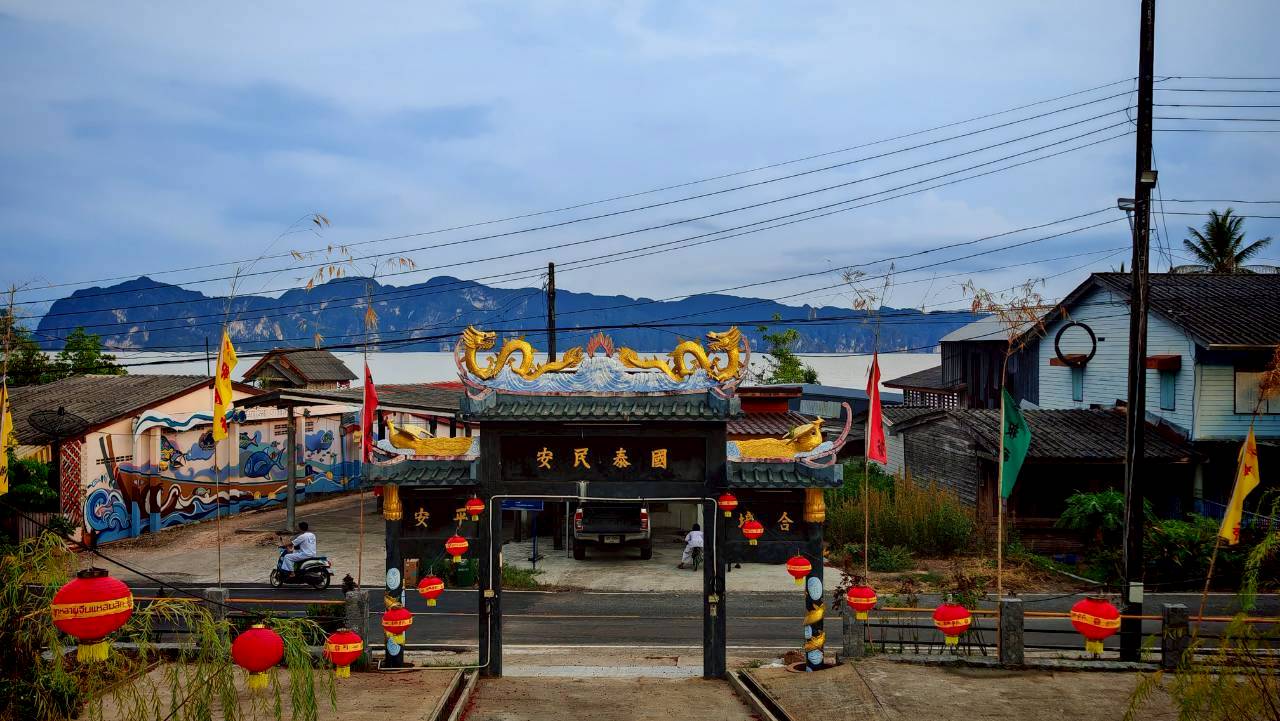
Sok Po Si Yi Shrine / Laem Sak Shrine
Overview
Sok Po Si Yi Shrine, also known as Laem Sak Shrine, is a religious site in Laem Sak, Krabi. The report identifies it as part of the Laem Sak multicultural route and notes that visitors can enter independently, while local community guide service is recommended for deeper cross-cultural interpretation. Some areas may not allow photography. Opening conditions, visitor boundaries, dress expectations, prayer planning, halal food, toilets, transport, and accessibility need verification.
Overview
Sok Po Si Yi Shrine, also known as Laem Sak Shrine, is a religious site in the Laem Sak community of Krabi.
The report includes this shrine as part of the Laem Sak multicultural tourism route. It is positioned alongside other local faith and community learning stops, helping visitors understand the cultural diversity of the area.
For SalamXP, Sok Po Si Yi Shrine works as a Culture Card for Chinese shrine culture, local faith, multicultural learning, community interpretation, and respectful cultural observation.
This visit should be framed as cultural observation. Muslim travelers may visit to learn about local heritage, architecture, community identity, and cross-cultural coexistence without joining religious rituals.
This place remains marked as Needs verification before use with real guests. Current opening hours, visitor boundaries, dress expectations, photography restrictions, toilet access, transport, prayer planning, halal food, accessibility, and local guide availability must be checked.
Why This Place Matters
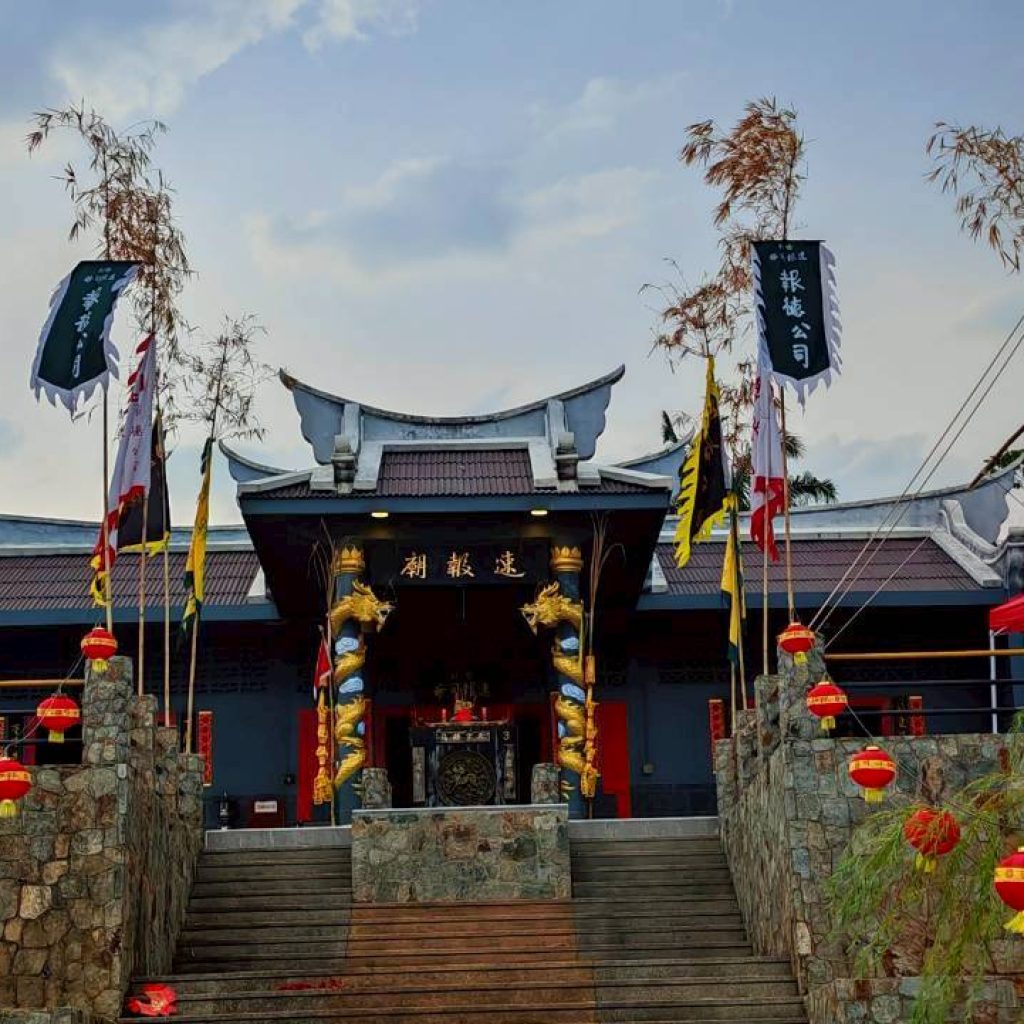
Sok Po Si Yi Shrine is one of the religious and cultural learning points in the Laem Sak route.
The site can help visitors understand:
Chinese shrine culture in Laem Sak
Local faith and community identity
Multicultural coexistence in Krabi
The relationship between religious sites and local history
Cross-cultural learning through community interpretation
The diversity of religious spaces within one community route
The report notes that visitors can enter independently, but if they want to understand different cultural stories more deeply, they should contact the Laem Sak community tourism group for a local guide service.
What Visitors Can Experience
Visitors may experience:
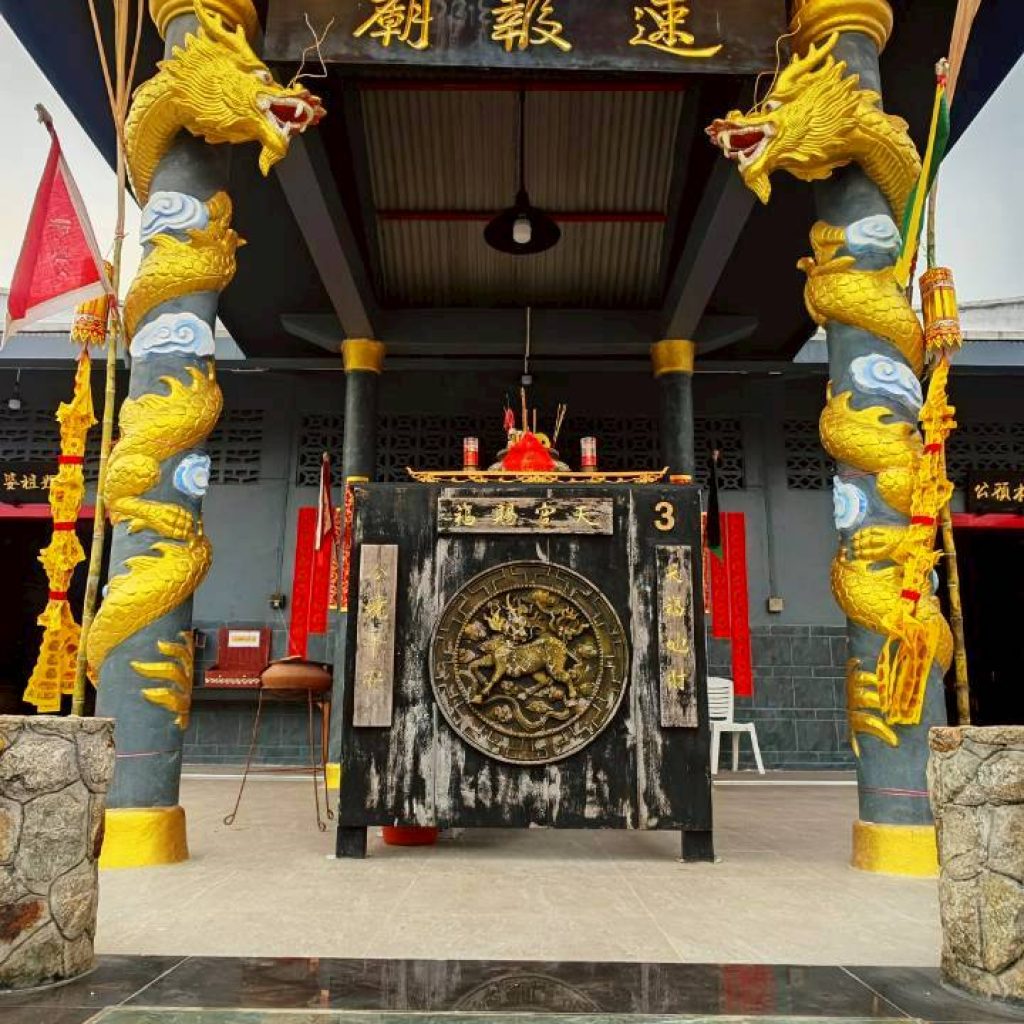
Chinese shrine architecture
Local religious and cultural atmosphere
Community-based cultural interpretation
A short stop within the Laem Sak multicultural route
Photography only in permitted areas
A visit connected to the “faith of two cultures” theme in the route
Access, visitor boundaries, ceremonies, and photography permissions may change and must be verified before travel.
Muslim-Friendly Route Notes
Sok Po Si Yi Shrine is a non-Muslim religious site and must not be presented as a Muslim prayer-support location.
A separate prayer stop should be planned within the route. The planner should verify prayer time, travel time, wudu access, and the nearest suitable prayer location before using this stop with real guests.
This site is not a halal meal anchor. Any restaurant, snack, drink, café, or food service nearby must be verified separately before being recommended to Muslim travelers.
For SalamXP use, Sok Po Si Yi Shrine is best positioned as:
Chinese shrine culture stop
Multicultural religious-site observation
Local community interpretation candidate
Short cultural learning stop
Photo-permission-sensitive location
Needs-verification Culture Card
Visitor Etiquette
Visitors should behave respectfully because this is a religious site.
Guests should:
Dress modestly
Follow site rules and community instructions
Keep voices low
Avoid interrupting worshippers or ceremonies
Avoid touching religious objects
Use photography only where permitted
Avoid photographing restricted areas
Avoid disrespectful poses
Stay within approved visitor areas
Respect local customs
Follow guidance from the local guide if one is arranged
Route Planning Notes
Use Sok Po Si Yi Shrine as a cultural and faith-context stop within the Laem Sak Route 1 journey.
Before using it in a live itinerary, verify:
Current opening hours
Current access conditions
Visitor boundaries
Dress expectations
Photography restrictions
Ceremony schedule
Toilet availability
Parking and drop-off point
Walking load
Heat and rain exposure
Elderly and mobility suitability
Local guide availability
Local guide fee
Nearby prayer candidate
Wudu access
Verified halal meal anchor
Medical or emergency backup
Current photo evidence from the report
Sidebar
Managing expectations
Usually
Chinese shrine religious site
Local faith and community identity
Multicultural learning stop
Short cultural visit
Local community interpretation recommended
Photography may be limited in some areas
Suitable for respectful cultural observation
Not Usually
Not a Muslim prayer-support location
Not a halal meal anchor
Not a place for Muslim travelers to join shrine rituals
Not fully open for photography in every area
Not guaranteed to have local guide service without coordination
Not automatically suitable for every mobility condition
Not a confirmed low-crowd or fully serviced attraction without checking
Your Role
Use Sok Po Si Yi Shrine as a respectful Chinese shrine and multicultural learning Culture Card. Confirm access, dress expectations, photography restrictions, visitor boundaries, local guide availability, prayer planning, halal food, transport, toilets, accessibility, and current photo evidence before using it with real guests.
Overview
Sok Po Si Yi Shrine, also known as Laem Sak Shrine, is a religious site in the Laem Sak community of Krabi.
The report includes this shrine as part of the Laem Sak multicultural tourism route. It is positioned alongside other local faith and community learning stops, helping visitors understand the cultural diversity of the area.
For SalamXP, Sok Po Si Yi Shrine works as a Culture Card for Chinese shrine culture, local faith, multicultural learning, community interpretation, and respectful cultural observation.
This visit should be framed as cultural observation. Muslim travelers may visit to learn about local heritage, architecture, community identity, and cross-cultural coexistence without joining religious rituals.
This place remains marked as Needs verification before use with real guests. Current opening hours, visitor boundaries, dress expectations, photography restrictions, toilet access, transport, prayer planning, halal food, accessibility, and local guide availability must be checked.
Why This Place Matters
Sok Po Si Yi Shrine is one of the religious and cultural learning points in the Laem Sak route.
The site can help visitors understand:
Chinese shrine culture in Laem Sak
Local faith and community identity
Multicultural coexistence in Krabi
The relationship between religious sites and local history
Cross-cultural learning through community interpretation
The diversity of religious spaces within one community route
The report notes that visitors can enter independently, but if they want to understand different cultural stories more deeply, they should contact the Laem Sak community tourism group for a local guide service.
What Visitors Can Experience
Visitors may experience:
Chinese shrine architecture
Local religious and cultural atmosphere
Community-based cultural interpretation
A short stop within the Laem Sak multicultural route
Photography only in permitted areas
A visit connected to the “faith of two cultures” theme in the route
Access, visitor boundaries, ceremonies, and photography permissions may change and must be verified before travel.
Muslim-Friendly Route Notes
Sok Po Si Yi Shrine is a non-Muslim religious site and must not be presented as a Muslim prayer-support location.
A separate prayer stop should be planned within the route. The planner should verify prayer time, travel time, wudu access, and the nearest suitable prayer location before using this stop with real guests.
This site is not a halal meal anchor. Any restaurant, snack, drink, café, or food service nearby must be verified separately before being recommended to Muslim travelers.
For SalamXP use, Sok Po Si Yi Shrine is best positioned as:
Chinese shrine culture stop
Multicultural religious-site observation
Local community interpretation candidate
Short cultural learning stop
Photo-permission-sensitive location
Needs-verification Culture Card
Visitor Etiquette
Visitors should behave respectfully because this is a religious site.
Guests should:
Dress modestly
Follow site rules and community instructions
Keep voices low
Avoid interrupting worshippers or ceremonies
Avoid touching religious objects
Use photography only where permitted
Avoid photographing restricted areas
Avoid disrespectful poses
Stay within approved visitor areas
Respect local customs
Follow guidance from the local guide if one is arranged
Route Planning Notes
Use Sok Po Si Yi Shrine as a cultural and faith-context stop within the Laem Sak Route 1 journey.
Before using it in a live itinerary, verify:
Current opening hours
Current access conditions
Visitor boundaries
Dress expectations
Photography restrictions
Ceremony schedule
Toilet availability
Parking and drop-off point
Walking load
Heat and rain exposure
Elderly and mobility suitability
Local guide availability
Local guide fee
Nearby prayer candidate
Wudu access
Verified halal meal anchor
Medical or emergency backup
Current photo evidence from the report
Sidebar
Managing expectations
Usually
Chinese shrine religious site
Local faith and community identity
Multicultural learning stop
Short cultural visit
Local community interpretation recommended
Photography may be limited in some areas
Suitable for respectful cultural observation
Not Usually
Not a Muslim prayer-support location
Not a halal meal anchor
Not a place for Muslim travelers to join shrine rituals
Not fully open for photography in every area
Not guaranteed to have local guide service without coordination
Not automatically suitable for every mobility condition
Not a confirmed low-crowd or fully serviced attraction without checking
Your Role
Use Sok Po Si Yi Shrine as a respectful Chinese shrine and multicultural learning Culture Card. Confirm access, dress expectations, photography restrictions, visitor boundaries, local guide availability, prayer planning, halal food, transport, toilets, accessibility, and current photo evidence before using it with real guests.