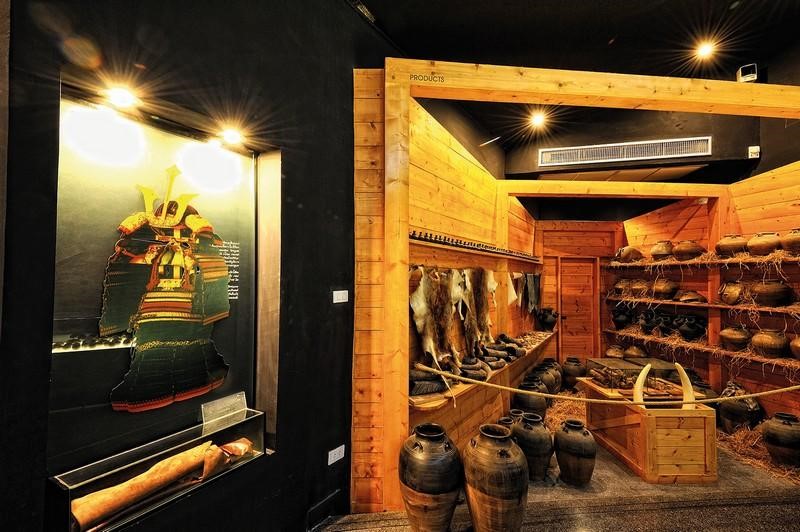
Japanese Village
ภาพรวม
Explore the former Japanese community through international trade history, Thai–Japanese relations, exhibitions, and riverside views.
🇯🇵 Explore the story of Japanese merchants, soldiers, and diplomats in international Ayutthaya.
Japanese Village stands beside the Chao Phraya River.
The area reflects the relationship between Ayutthaya and Japan during the sixteenth and seventeenth centuries.
At that time, Ayutthaya served as an important center of international trade in Southeast Asia.
Japanese residents came to the city for commerce, military service, and diplomatic work.
Yamada Nagamasa became one of the most important figures connected with this community.
Today, visitors can explore historical exhibitions, learn about Thai–Japanese relations, and enjoy the riverside landscape.
🌙 Muslim-Friendly Planning at a Glance
Food: Halal food is not part of the planned visit.
Prayer: The site is not a Muslim prayer stop.
Comfort: The area includes toilets, rest spaces, parking, visitor information, and a green riverside setting.
Transport: The site connects well with other attractions around Ayutthaya’s city island.
✨ Why Visit Japanese Village?
🇹🇭🇯🇵 Understand Thai–Japanese Relations
The village tells the story of contact between Ayutthaya and Japan.
Visitors can learn how trade, diplomacy, and migration connected both societies.
🌍 See Ayutthaya as an International City
Ayutthaya welcomed merchants and communities from many regions.
The Japanese settlement helps visitors see the city as part of a wider international network.
👤 Learn About Yamada Nagamasa
Yamada Nagamasa is closely connected with the history of the Japanese community.
His story adds a human figure to the larger themes of trade, military service, and political relations.
🌊 Enjoy a Riverside Learning Space
The site combines exhibitions with river views and green areas.
Therefore, visitors can learn indoors and then slow down beside the water.
🧭 Good To Know
⏱️ Suggested Time: About one hour.
🚶 Walking Load: Light to moderate walking.
🏛️ Activity Type: Historical exhibitions, international trade history, Thai–Japanese relations, riverside photography, and cultural learning.
👕 Dress Note: Comfortable clothing is suitable.
👟 Shoes: Comfortable walking shoes are recommended.
📸 Photography Note: Follow exhibition photography guidance.
🔇 Conduct Note: Keep exhibition spaces calm and avoid blocking displays.
☀️ Weather Note: The riverside and green areas may involve sun or rain.
🚻 Comfort Note: Toilets, rest areas, parking, and visitor information are available.
🧭 Route Note: Kudi Chofa Mosque → Japanese Village → Muhammad Hat Yai Fried Chicken Ayutthaya.
🌿 Best Use: Visit to understand Ayutthaya’s international trading relationships.
🌟 Best For
Japanese Village suits history learners, families, students, photographers, and visitors interested in international relations.
It is especially useful for travelers who want to see Ayutthaya as a global trading city.
🔗 Add This Place to Your Travel Plan
Visit after Kudi Chofa Mosque.
Allow time for exhibitions, riverside photographs, and a short rest before continuing to the halal lunch stop.
✅ Plan This Stop with SalamXP
Share the travel date, group size, historical interests, walking ability, mobility concerns, preferred visit pace, and photography interests.
SalamXP can coordinate visit timing, group transport, exhibition time, riverside rest, and the connection to the halal lunch stop.
Sidebar
⚠️ Managing Expectations
Usually
Visitors explore exhibitions, Thai–Japanese relations, international trade history, and the riverside landscape.
Not Usually
The site is not a halal food stop or Muslim prayer facility.
Your Role
Follow exhibition guidance and remain on schedule for the next route stop.